
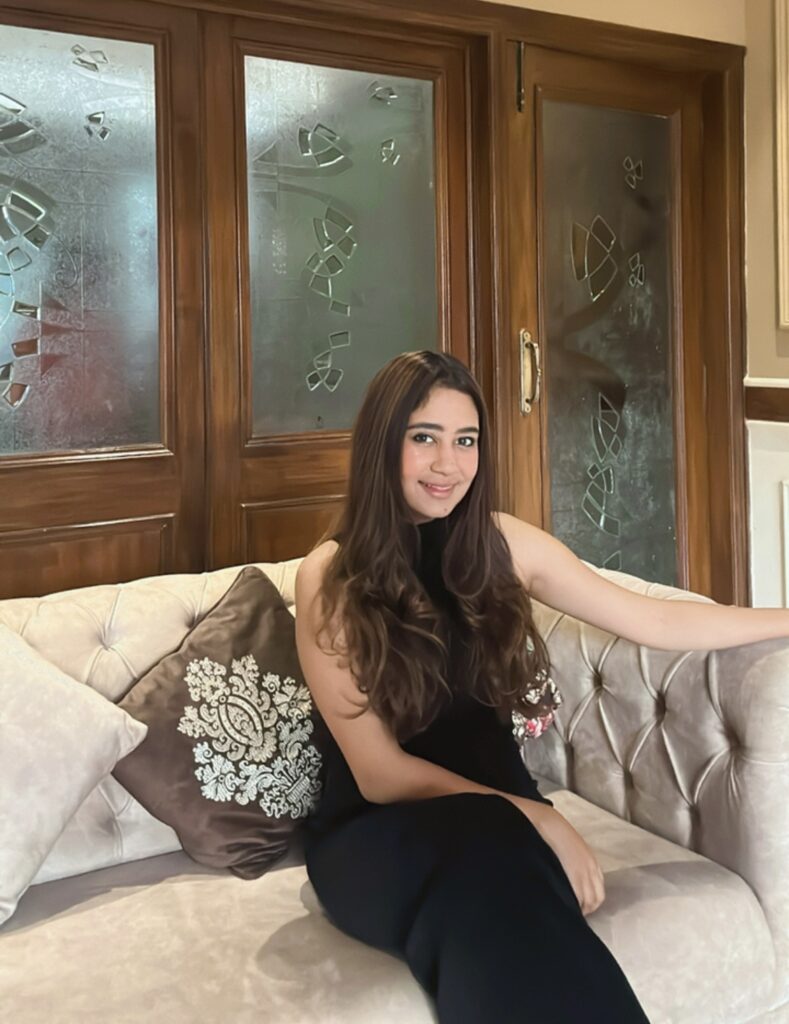
About Ridhima
Claome did not begin as an art business.
I started Claome in 2023 with furniture. By the end of 2024, I had moved almost completely into art. My first Pichwai sale happened in November 2024, and very quickly I realised this was the part of Claome I cared about most.
What drew me in was not only the beauty of the work. It was the meaning behind it.
The more time I spent with artists, the more I understood how much gets lost when Indian art is treated only as decoration. A hand position can matter. A symbol can matter. The direction a figure faces can matter. Sometimes even one small detail can change the entire meaning of a work.
That became a very important part of how I work.
I want to know what I am placing in somebody’s home. I want to understand the story, the iconography and the reason a particular image exists before I ask someone else to live with it.
Claome began with Pichwai, but over time my own curiosity took me into Jain art, Deccan works, sacred narratives and other areas of Indian art.
I am still learning all the time.
A large part of my work now is simply looking — visiting artists, asking questions, understanding subjects, finding unusual compositions and then introducing them to collectors who may never have encountered them before.
Some clients come to me knowing exactly what they want. Others send me a photograph of an empty wall and say, “What would you put here?”
I enjoy both.
But the moments I remember most are when somebody connects with a work for a reason that has nothing to do with interiors — because it reminds them of their childhood, their family, their faith, a story they grew up with, or a god they feel close to.
That is probably when Claome makes the most sense to me.
Over the last two years, the work has taken me into exhibitions, private homes, collector conversations and rooms I never expected to enter when I started the company.
And somewhere along the way, the ambition became much bigger than selling paintings.
I want people to look at Indian art with more curiosity.
I want them to understand what they are seeing.
And I want more of these works to travel beyond the places and communities where they have traditionally been known.
That is what I mean when I say:
Taking Indian Art to the World.