
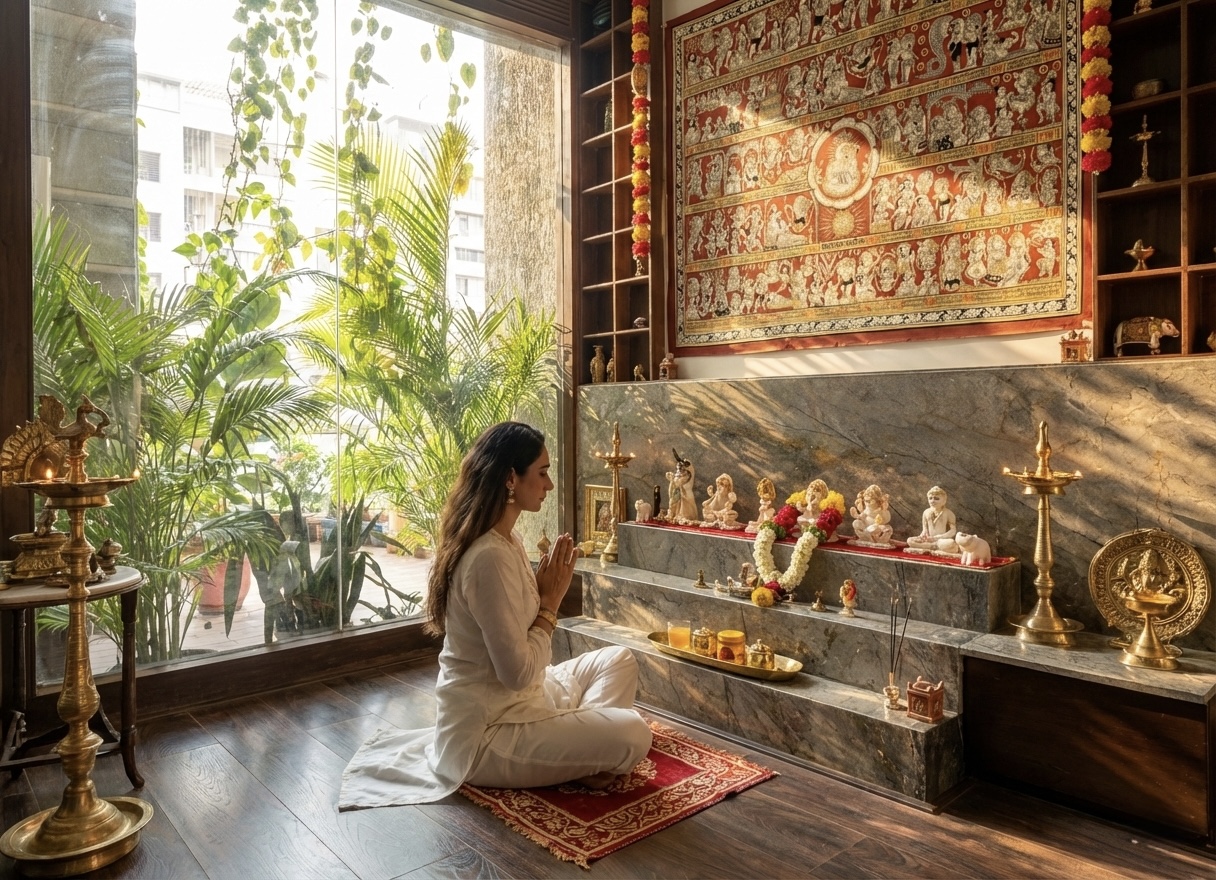
Indian art is not simply wall décor.
It is chosen with intention, placed with thought, and lived with over time.
This guide brings together everything you need to know about selecting authentic Indian art for your home — from understanding craftsmanship to choosing the right placement and caring for artworks in everyday spaces.
Whether you are new to collecting or thoughtfully adding to your home, this page is designed to help you move forward with clarity and confidence.
Authentic Indian art carries visible signs of time, skill, and traditional technique. Unlike mass-produced pieces, handcrafted artworks show subtle variations, layered detailing, and a depth that develops through patient work.
Understanding what makes an artwork authentic helps you make informed choices — not just aesthetically, but culturally and practically.
To explore this in detail, read our complete guide on how to choose authentic Indian art.
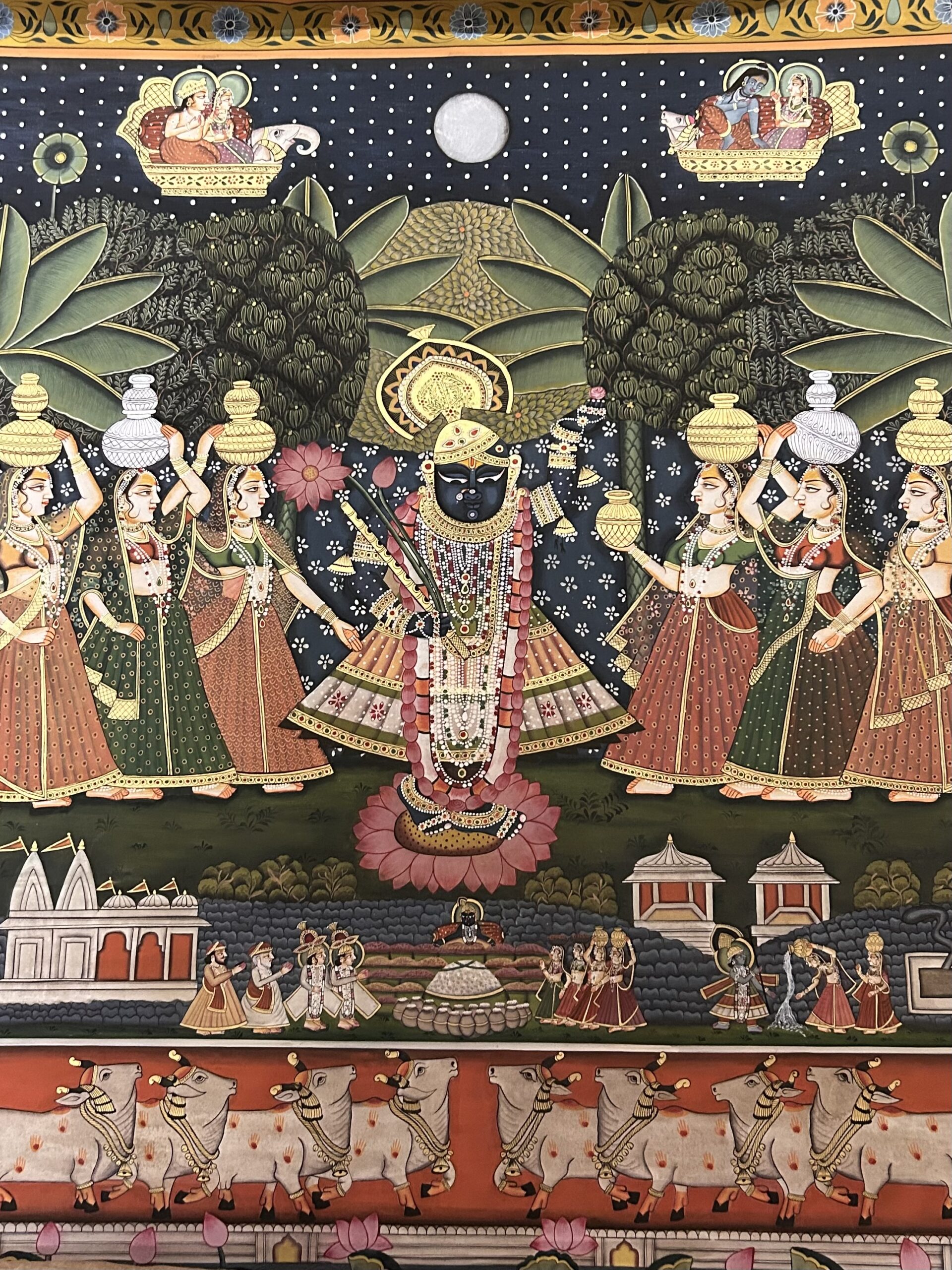
The value of handcrafted Indian art lies beyond appearance. It comes from the time invested, the continuity of tradition, and the human hand behind each piece.
These artworks are created slowly, often using techniques passed down through generations. Their value is not defined by trends, but by longevity, meaning, and craftsmanship.
You can learn more about this in our article on why handcrafted Indian art holds lasting value.
Placement plays an important role in how Indian art is experienced in daily life. The right wall, height, and surrounding space can transform an artwork from decoration into presence.
Living rooms, entrances, and calm corners of the home are often ideal locations, depending on the artwork’s scale and subject.
For practical guidance, explore our room-by-room guide on where to place Indian art in an Indian home.
Handcrafted Indian art does not require complicated maintenance, but it does benefit from thoughtful care.
Simple considerations — such as avoiding direct sunlight, maintaining airflow, and gentle handling — help preserve both the artwork’s appearance and its integrity over time.
Our care guide explains this in detail: how to care for handcrafted Indian art at home.
Once you understand how to choose, place, and care for Indian art, exploring collections becomes a more intuitive and meaningful process.
Rather than searching for trends, you begin to recognise what suits your space, your rhythm, and your way of living.
You can explore our curated collections here: View Art Collections
Indian art is not about filling walls. It is about creating spaces that feel grounded, intentional, and lived in.
Rather than choosing by trends, it helps to consider where the artwork will live — the light it receives, the rhythm of the room, and how often you will see it in your everyday life. When art is chosen this way, it becomes part of the home rather than just decoration.
You can explore our curated artwork collections here: View Art Collections
If you’d like to go deeper, these guides may also help:
This guide is meant to be a quiet reference — something you can return to as you build a home that reflects both intention and cultural depth.