
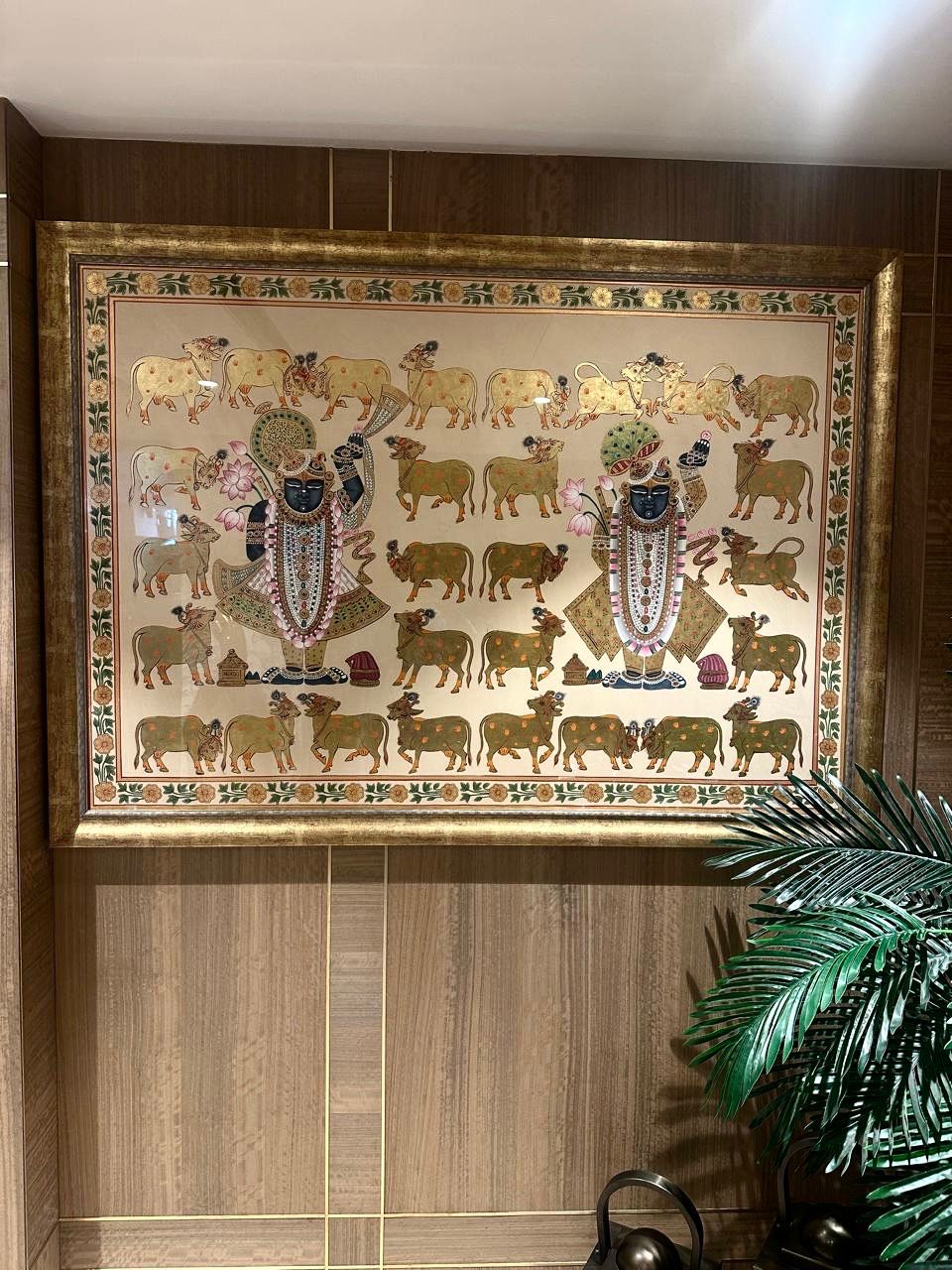
Indian art has always carried depth — not just in technique, but in intention. Yet when choosing art for a home, many people feel unsure about what is authentic, what lasts, and what truly belongs in their space.
This guide is written to simplify that process. Whether you are buying Indian art for the first time or adding to an existing collection, these points will help you choose thoughtfully and with confidence.
1. Understand the Difference Between Decor and Art
Not everything that looks beautiful is meant to last.
Decor pieces are often trend-led and mass-produced. Authentic Indian art, on the other hand, is rooted in tradition, skill, and time. It carries the artist’s process, not just a finished image.
When choosing art for your home, ask:
- Was this created by hand?
- Does it reflect a technique or tradition?
- Is there intention behind the subject?
Art that answers these questions tends to age gracefully with your space.
2. Look Beyond the Subject, Notice the Craft
Many people focus only on the deity, motif, or colour palette. While that matters, the true value of Indian art lies in how it is made.
Pay attention to:
- Brushwork and detailing
- Layering of colours
- Use of natural or traditional materials
- Balance and symmetry
In hand-painted Indian artworks, small irregularities are often a sign of authenticity — not flaws.
3. Choose Art That Matches the Energy of Your Space
Art is not just visual; it affects how a space feels.
For example:
- Calm, devotional works suit bedrooms and meditation corners
- Detailed traditional art works beautifully in living rooms
- Subtle, balanced pieces are ideal for workspaces
Instead of matching art only to furniture or wall colour, consider the emotion you want the room to carry.
4. Authentic Indian Art Is Meant to Be Lived With
There is a common misconception that traditional art belongs only in museums or formal spaces. In reality, Indian art was always meant to be part of daily life — homes, temples, courtyards.
When placed thoughtfully, traditional art blends beautifully with modern interiors. The contrast often brings warmth and depth that minimal decor alone cannot.
5. Buy Art That You Can Connect With
The most important rule is simple:
If a piece speaks to you, it belongs with you.
Authentic art does not need justification. It should feel right — not rushed, not forced, not chosen only because it is trending.
Take your time. Good art waits.
Once you’ve identified authentic artwork, understanding where it belongs in your home is equally important. You may find this guide on where to place Indian art in an Indian home helpful.